Year-Round Spider Control
If you're still seeing spiders in January, they didn't just arrive. They moved in during the fall and have been living in your home ever since. Here's what's happening - and what to do about it.
A common misconception: spiders go away in winter. They don't - at least not the ones already inside your home. The spiders you encounter in January and February are the same ones that migrated indoors during September and October. Your home's heating system keeps the temperature warm enough for them to remain active, feed, and reproduce year-round.
Ontario winters are brutal enough to kill outdoor spiders - or at least push them into dormancy in protected exterior sites. But inside a heated home, temperatures never drop low enough to trigger dormancy. Common house spiders and cellar spiders are technically tropical in origin; they evolved to live in warm, sheltered structures. Your home in January is, from their perspective, perfectly habitable.
Understanding this changes the treatment strategy. Winter spider control is not about exterior barriers - it's about addressing the population that's already established inside, reducing it through the winter, and making sure a spring exterior treatment is booked before the outdoor population reinvades.
Parasteatoda tepidariorum remains active year-round in heated Ontario homes. Females produce egg sacs continuously indoors regardless of outdoor temperature - each sac containing 100 to 400 eggs. A winter infestation left untreated emerges from spring dormancy with a significantly larger established population than it entered fall with.
Pholcus phalangioides is the species most likely to thrive in Ontario basements and crawl spaces in winter. It prefers lower temperatures than house spiders and reproduces continuously indoors. Dense cellar spider populations in unfinished basements are almost always the result of unchecked fall migration combined with undisturbed winter breeding.
Exterior treatment isn't effective in Ontario winters - temperatures below 7 degrees Celsius prevent proper product curing. Winter spider control focuses entirely on the interior.
We treat baseboards and wall-floor junctions throughout the home - the primary travel corridors for spiders moving between rooms and levels. Treatment eliminates spiders on contact and provides residual control along treated surfaces. This is the most impactful single action for reducing an established winter population.
Unfinished basements and crawl spaces are the epicentre of winter spider populations. We treat beams, joists, sill plates, wall perimeters, and utility penetrations in these areas - addressing the population at its highest density point and protecting the connection between the basement and upper floors.
Laundry rooms, mechanical rooms, attached garages, and the areas around utility line penetrations (plumbing, electrical, HVAC) are treated. These are secondary harborage zones where winter populations establish and from which spiders spread to other areas of the home through warmer months.
We use the winter service visit to assess exterior entry points, identify areas needing sealing or caulking, and schedule the spring exterior treatment that prevents reinvasion when temperatures warm. Winter is the best time to book spring - before the April-May treatment calendar fills.
Overwintered egg sacs hatching. Exterior barrier goes in to intercept hatchlings and the emerging overwintered population. Most impactful exterior treatment window of the year.
Migration from outdoor harborage to your home's interior. Exterior barrier intercepts the migration before entry. September is the peak indoor sighting month across Ontario.
Interior population management. No outdoor treatment possible. Reduce the established indoor population and plan the spring exterior treatment before the outdoor season resumes.
Why do I still see spiders in my house in winter in Ontario?
The spiders you see in winter are not coming from outside - they moved in during the fall migration and are now overwintering inside your home. Common house spiders and cellar spiders remain active year-round in heated structures because indoor temperatures never drop low enough to trigger dormancy. They continue to hunt, build webs, and produce egg sacs through the winter months.
Do spiders die in winter in Ontario?
Outdoor spiders survive Ontario winter by overwintering as eggs in sealed egg sacs, entering cold-induced dormancy in protected exterior sites, or moving indoors. Spiders inside your heated home do not die in winter - they continue to live, feed, and reproduce. A winter population left unaddressed is larger by spring than it was in fall.
Can Spider Squad treat for spiders in winter?
Yes. Winter treatment focuses on the interior - baseboards, basement perimeters, crawl spaces, and utility areas where spiders are overwintering. Exterior treatment isn't possible in Ontario winter conditions, but interior perimeter treatment is highly effective at reducing the established indoor population.
What spiders are active inside Ontario homes in winter?
The two species most commonly active inside Ontario homes in winter are the common house spider (Parasteatoda tepidariorum) and the cellar spider (Pholcus phalangioides). Both thrive in the stable temperatures inside heated homes and reproduce year-round indoors. Wolf spiders that moved in during fall may also be encountered, though they are less active at lower indoor temperatures.
Is winter a good time to plan for spring?
Winter is the best time to book spring treatment before the schedule fills. Spider Squad's spring treatment window opens in late April - and spots book quickly. Homeowners who book in January or February are guaranteed their preferred April-May treatment date. Booking now also allows us to set up an annual maintenance plan that covers spring, summer, and fall automatically.
Don't Wait Until Spring
A winter interior treatment reduces the spider population before it produces another generation of egg sacs. Call to book - and we'll lock in your spring exterior treatment date at the same time.
📞 437-747-7823 Book Spring Treatment TooPremium Protection
Choose the protection barrier your property needs. Simple, professional, and guaranteed.

Our flagship exterior structural barrier targets the full perimeter of your home — foundations, soffits, window frames, eaves, and all entry points. Repels and eliminates spiders, ants, and crawling insects before they enter.
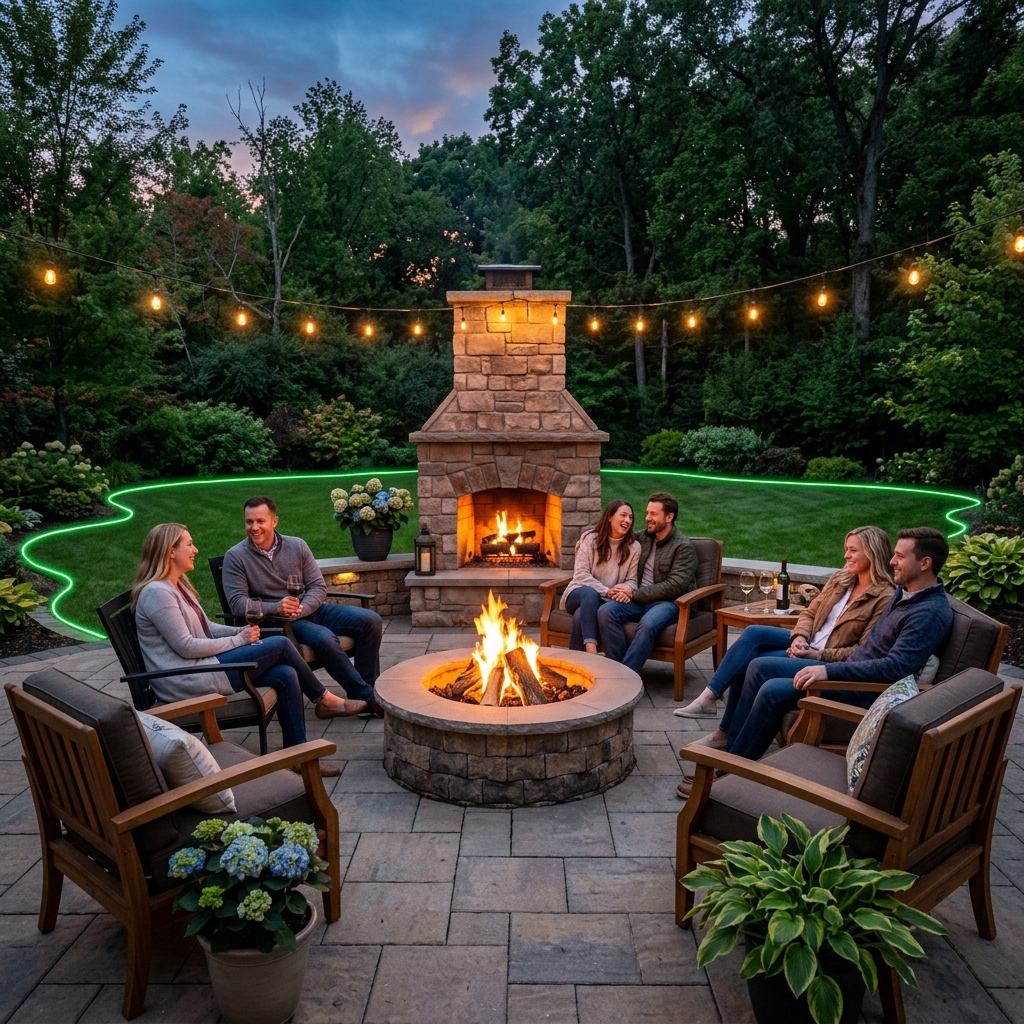
A comprehensive yard-level barrier applied to shaded vegetation, ornamental shrubs, deck skirting, and property borders. Reduces adult mosquito and tick populations around your outdoor living space.
SpiderShield™ perimeter barrier
SpiderShield™ creates an invisible exterior barrier that prevents more than just spiders — blocking ants, earwigs, crickets, and other seasonal crawlers from entering your home.
Wherever You Need Us
From the shores of Lake Erie to cottage-country docks — if bugs are a problem, we’re already on the way.
Genuinely Local Exterminators
Spider Squad is a family business — not a franchise, not a call centre. Our team lives in the communities we serve, which means faster scheduling, real accountability, and treatments designed for the pest pressures specific to this part of Ontario.
Don’t Wait
Same-week service available in most communities. Get a free assessment — no obligation.
Don’t Let Spiders Take Over

Tell us about your property and we’ll respond within hours to book your service. No obligation, no pressure.