Spider Behaviour
Spiders do not enter your home by accident. Specific conditions make your property attractive to them. Understanding those conditions helps you eliminate the attractants rather than just chase the spiders.
Spiders are predators. They go where their food is. Every condition that increases insect density around your home's exterior - poor outdoor lighting choices, moisture, decaying organic material, unsealed compost - also increases spider pressure. Reducing the insect population at the perimeter is the upstream intervention that reduces spider attraction at the source.
Insects most commonly responsible for sustained spider populations near Ontario homes: fungus gnats (basement moisture), silverfish and earwigs (organic debris), springtails (damp soil), moths (outdoor lighting), and ground beetles (foundation plantings).
Spiders are arthropods with a cuticle (exoskeleton) that can lose water through evaporation. High humidity environments allow spiders to remain active and hunt without dehydrating. This is why basements, crawl spaces, and areas with minor foundation seepage consistently have higher spider populations than dry, well-ventilated spaces.
Conditions that create moisture-based spider attractants: basement condensation on cold walls, minor foundation leaks, plumbing drips, inadequate subfloor ventilation, mulch against the foundation wall, and dense foundation plantings that hold moisture.
The fall spider migration into Ontario homes is fundamentally a thermal response. As outdoor temperatures drop below 10°C at night, the 20°C interior of your home becomes the most thermally attractive shelter available. Your heating system makes your home visible to spiders as a warm target from a significant distance through infrared sensitivity in their legs and sensory hairs.
This attractant cannot be eliminated without compromising habitability - but it can be intercepted with an exterior barrier before migration peaks in September.
Spiders need undisturbed areas to build webs and egg sacs. Properties with abundant harborage - dense foundation plantings, wood piles against the house, cardboard box storage in garages and basements, accumulated debris in eaves - sustain larger spider populations than properties with clean, open perimeters.
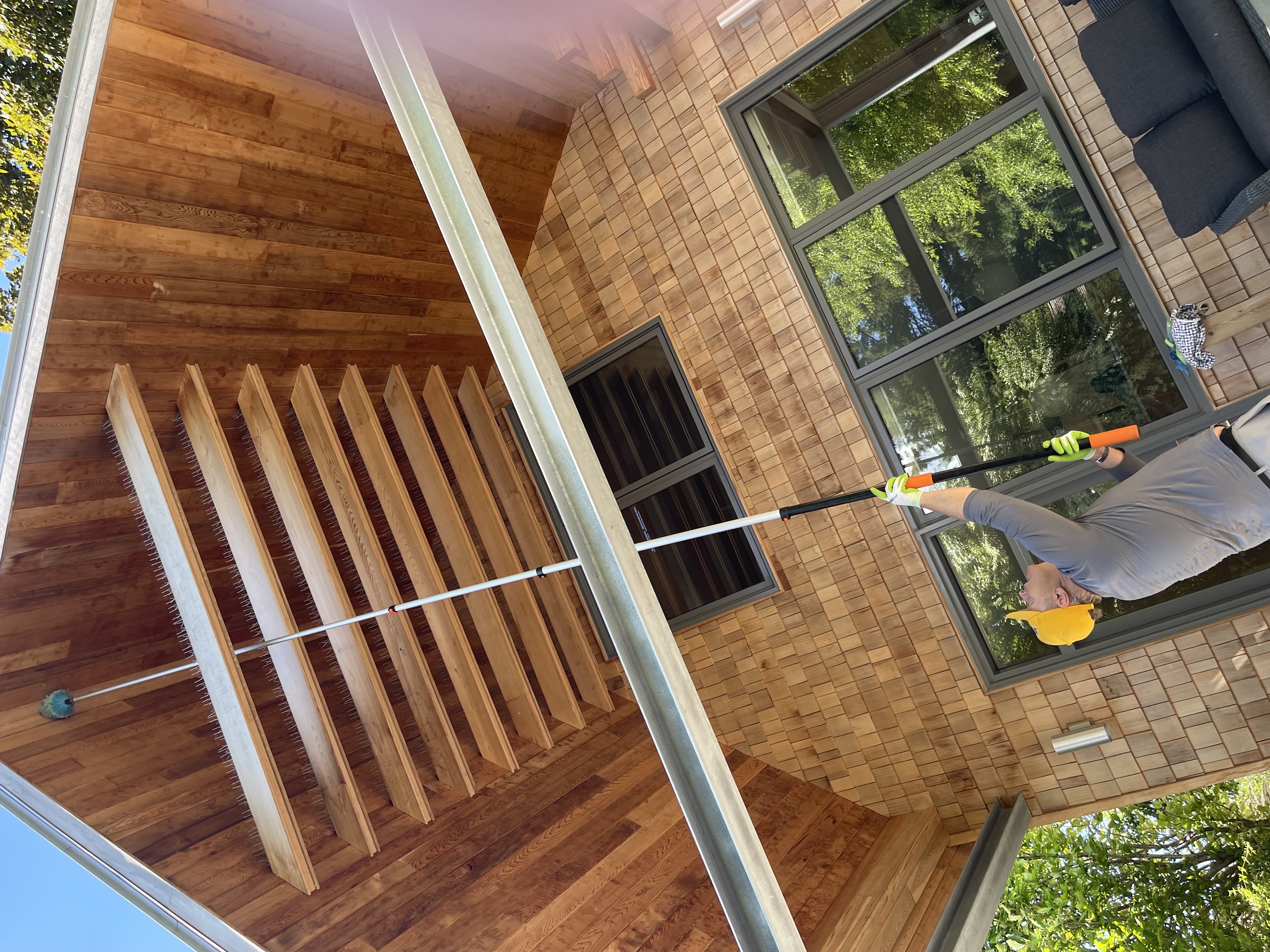
The most impactful harborage reductions: a 30-45cm gravel or bare zone at the foundation base replacing mulch or plantings; replacing cardboard storage with sealed plastic bins; clearing eave debris; and removing wood piles from direct contact with the structure.
| Attractant | Why It Draws Spiders | What to Do |
|---|---|---|
| White/blue outdoor lighting | Attracts phototactic insects that spiders prey on | Switch to warm-spectrum LED (≤2700K) or motion-activated fixtures |
| Mulch against foundation | Moisture retention, insect harborage, spider shelter | Replace with 30cm gravel buffer at foundation base |
| Wood pile against house | Prime spider harborage - dozens of species use wood piles | Move wood pile at least 5 metres from structure |
| Basement dampness | Moisture attracts insects; humidity sustains spiders | Dehumidifier, fix seepage, improve ventilation |
| Cardboard in garage/basement | Preferred web-building and egg-sac attachment surface | Replace with sealed plastic storage bins |
| Dense foundation plantings | Moisture, harborage, and staging area adjacent to entry points | Pull plantings 30cm from foundation; thin dense growth |
| Outdoor compost near home | Attracts insects that attract spiders | Move compost at least 10 metres from structure |
| Leaf litter against foundation | Insulation for overwintering spiders and egg sacs | Clear annually in October before ground freezes |
What attracts spiders to my house in Ontario?
The four core attractants are insects (food source), moisture (sustains spiders and the insects they eat), warmth (thermal differential in fall draws spiders toward heated structures), and harborage (undisturbed areas, clutter, dense foundation plantings provide shelter). Addressing these conditions reduces spider pressure at the source rather than reacting to the population after it establishes.
Does outdoor lighting attract spiders?
Indirectly. White and blue-spectrum lighting attracts flying insects, which attract spiders to feed on them. Switching to warm-spectrum LEDs (2700K or lower) at exterior fixtures near entry points reduces insect concentration and consequently reduces spider web-building near those points.
Does mulch attract spiders?
Yes. Mulch against the foundation retains moisture, harbours the insects spiders feed on, and provides direct shelter for spiders staging near entry points. Replacing a 30cm band of foundation mulch with gravel is one of the highest-impact landscaping changes for reducing perimeter spider pressure.
Remove the Welcome Mat
Eliminate the conditions that draw spiders in, and back it with a professional exterior barrier. Call to book.
📞 437-747-7823 Prevention GuidePremium Protection
Choose the protection barrier your property needs. Simple, professional, and guaranteed.
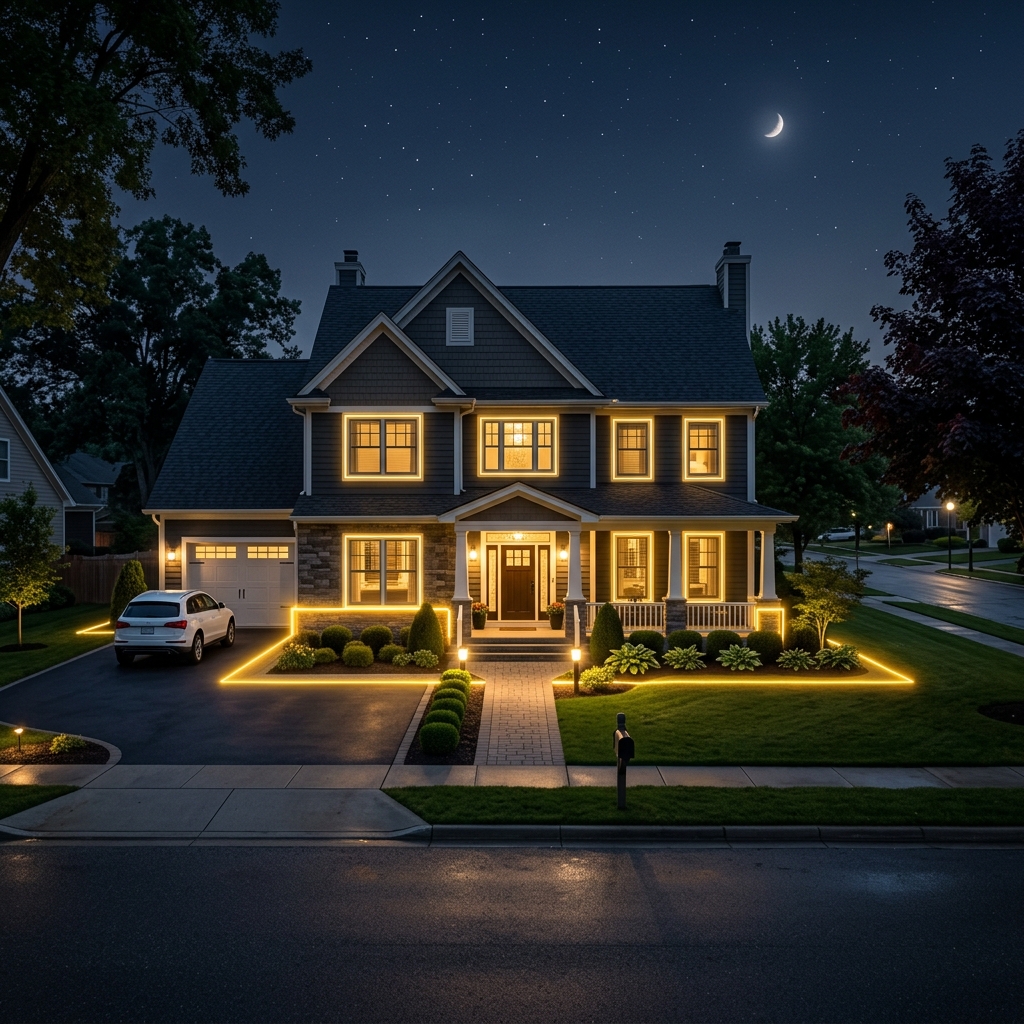
Our flagship exterior structural barrier targets the full perimeter of your home — foundations, soffits, window frames, eaves, and all entry points. Repels and eliminates spiders, ants, and crawling insects before they enter.
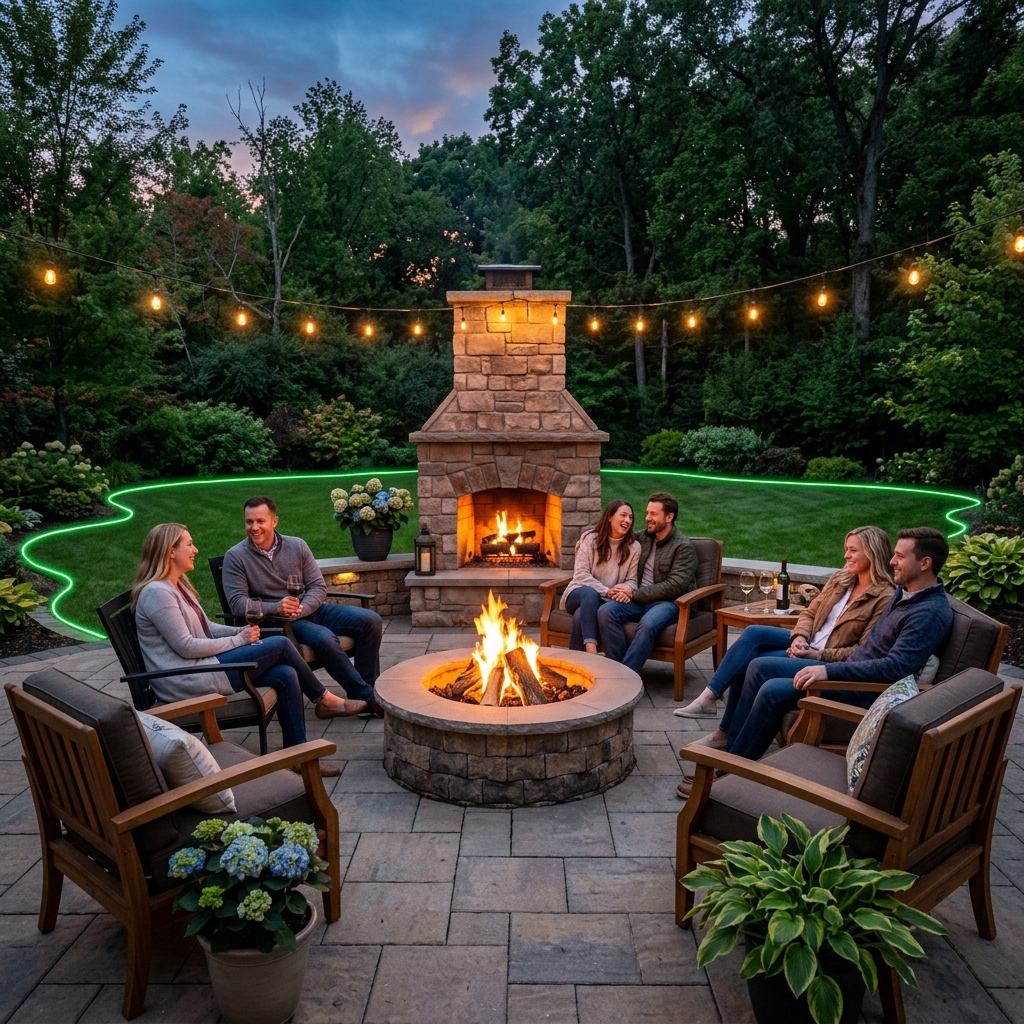
A comprehensive yard-level barrier applied to shaded vegetation, ornamental shrubs, deck skirting, and property borders. Reduces adult mosquito and tick populations around your outdoor living space.
SpiderShield™ perimeter barrier
SpiderShield™ creates an invisible exterior barrier that prevents more than just spiders — blocking ants, earwigs, crickets, and other seasonal crawlers from entering your home.
Wherever You Need Us
From the shores of Lake Erie to cottage-country docks — if bugs are a problem, we’re already on the way.
Genuinely Local Exterminators
Spider Squad is a family business — not a franchise, not a call centre. Our team lives in the communities we serve, which means faster scheduling, real accountability, and treatments designed for the pest pressures specific to this part of Ontario.
Don’t Wait
Same-week service available in most communities. Get a free assessment — no obligation.
Don’t Let Spiders Take Over

Tell us about your property and we’ll respond within hours to book your service. No obligation, no pressure.